The First Time
 When I was about twelve or thirteen, somewhere in that sweet spot where life was still mostly about cheeseburgers, football, and hoping your voice wouldn’t crack in front of a girl, this song started playing on the radio. “The First Time Ever I Saw Your Face” by Roberta Flack. It didn’t come in like most pop hits, no thumping beat or catchy hook. Just soft piano and subtle strings, like it tiptoed into the room and whispered something meant only for you.
I didn’t stand up and declare it my favorite song, not out loud. I didn’t even really understand what was happening in my chest the first dozen times I heard it. But something inside me gradually recognized it over a period of years. This wasn’t just a love song; this was the love song. It wrapped around me in a way I couldn’t explain, and by the end of that summer, I knew, without knowing, that it had taken permanent residence in my heart.
This woman, this voice; she was singing to one man. Just one. And whoever he was, he must’ve been carved from something sacred, because the way she sang to him was nothing short of soul-bending. She wasn’t performing. She was offering something. Confessing something. Like she had stripped herself down to nothing but truth and melody and laid it at his feet. The music didn’t push or pull—it just hovered there, gentle as breath, holding space for her voice to carry the weight.
And something in me, some small, hungry piece, began to hope. Hope that maybe, just maybe, someone could ever feel that way about me. Not for what I could do or how I looked or what I could offer—but for who I was, in that quiet place between breaths. Could a woman ever lie beside me, meet my eyes, and sing that song with her whole being? Could her voice brush across my skin and crack open the sky?
If she ever did… if a moment like that ever truly found me, this earth would light up in full color, like it had been waiting all along for love to turn the lights on.
And life… life would never be the same.
Johnny Johnson
 Back in junior high, there was this guy named Johnny Johnson. He wasn’t just any kid—Johnny was the kid. He was the guy every boy wanted to be, and every girl dreamed of marrying.
At just 14, Johnny was clocked running the 100-yard dash in 10.3 seconds. Sure, that might not sound like world-class speed today, but we were 14 years old. That was blazing. I remember hearing that the fastest female sprinter in the world at the time posted a 10 flat—only three-tenths of a second faster—and Johnny wasn’t even done growing yet. It was clear to everyone that high school, college, and probably Olympic fame were all in his future.
In ninth grade, Johnny was elected student body president. Honestly, he probably could’ve had the auditorium named after him if he’d asked, or had every school in the state fighting over who got to have him on their roster.
On the football field, Johnny was magic as the kick returner. I remember the coach gazing down the field at him one day. He wasn’t even talking to me, but his words stuck: “He’s one of the most gifted athletes in the city.” You could hear the awe in his voice, and I felt it too. Johnny was just that guy.
Even in art class, you couldn’t escape the Johnny Johnson fan club. It was like the girls had formed a committee to discuss him every day, sharing updates and whispering words like “cute” and “dreamy.” He was their obsession, and honestly, I didn’t blame them. He was dreamy.
I idolized Johnny. He’d walk down the hall in his letterman jacket, his chiseled jawline catching the light, two girls trailing behind him carrying his books. Teachers sang his praises like he was a gift to humanity, and I’m pretty sure his report card backed that up.
One memory, though, stands out above all the others. It was during off-season training when all the boys from every sport were crammed into the gym with one mission: sell candy to raise money. The coaches divided us into a dozen smaller teams, each with its own leader, and we’d be competing for a grand prize—a steak dinner. By sheer luck (or maybe misfortune), I ended up in Johnny Johnson’s group. Johnny, of course, was our team leader, and just the thought of sitting across the table from him over a $5 chopped steak was enough to make any kid hustle. It would be like having dinner with the President.
When it came time to report my sales, I handed Johnny my grand total—six dollars and fifty cents. I mumbled something about most of the people I had solicited not having any cash on hand. Johnny looked at me, his face full of irritation, and barked at me that payment wasn’t due until delivery. Then, without missing a beat, he called me a stupid ass and walked away.
I just stood there open-mouthed, fighting back the tears. That’s what I remember most about Johnny Johnson.
In Loving Memory of Hope
It is with heavy hearts that we announce the passing of Hope, the cherished dream of a possibility for true intimacy. Born of optimism and desire, Hope brought warmth and anticipation to countless moments, lighting the path to a desperately sought-after but ever-elusive connection. Hope took its own life because it had lost itself.
Hope leaves behind a legacy of unrealistic expectations and empty dreams in the face of uncertainty and a persistent belief in the potential for profound emotional closeness. Despite its untimely departure, the impact of Hope's presence lingers, reminding us of the human yearning for genuine intimacy.
Hope is survived by its siblings, Love, Longing, and Sacrifice, who will carry forward the lessons and strength instilled by their departed kin. In lieu of flowers, the family requests acts of encouragement, vulnerability, and open communication in memory of Hope.
May Hope rest in peace, and may its memory inspire a continued search for the authentic unions we all seek.
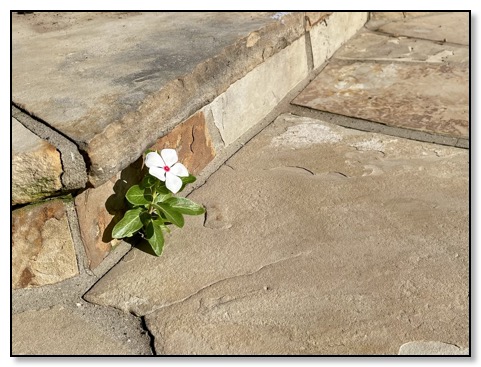
Billy Bowman was my friend
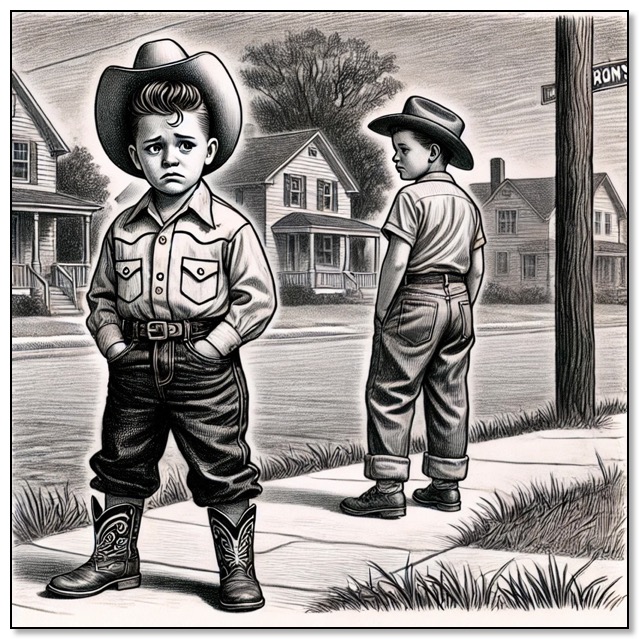 In second grade, I had a classmate named Billy Bowman. He was the best-dressed 8-year-old in school, always sporting a snap-up shirt, cowboy boots, and classically styled hair neatly combed and raised in the front like Ricky Ricardo’s. Billy’s voice was a cute mix of high-pitch and gentleness, with a refined bilingual accent that made each word and sentence sound flawless. I can still remember the sparkle and excitement in his eyes when he spoke. Billy was a beautiful boy.
Our parents knew each other, and on that particular afternoon, it was arranged for Billy to come home with me after school. However, as we walked together, I found myself suddenly indifferent. Perhaps it was Billy’s incessant chatter about playing with my toys and watching TV together, a stark contrast to the shared space he had at home with his sister. Or maybe I was just tired and wanted to take a nap, so, I told Billy, “Let’s just do it some other day.”
What I failed to realize was that Billy had been eagerly anticipating this visit all week. He had looked forward to spending time at his friend’s house, imagining how much fun they would have. I’m sure his mother was so happy for him. I never considered their feelings nor the disappointment my words would bring.
I wish I could have foreseen the sadness I would feel in the future, the regret of having let a friend down. I wish I had known then how valuable true friendship is, how sensitive feelings can be, and that such moments would weigh heavily on my heart when I grew older. Even if I had been told, I might not have listened.
So, right there at the corner of St. Regis and Templecliff, Billy’s tears began to fall. I felt a tinge of guilt, but evidently not enough to change my tune and bring him home with me. I watched Billy turn and walk away towards his own house. He was downcast. I was wrong, I had rejected him.
There was no color then. I rejected my friend in black and white, and he cried. I’m sorry, Billy. A real friend doesn’t do that. A real friend just wouldn’t.

The Prodigal Son
11 Jesus continued: “There was a man who had two sons. 12 The younger one said to his father, ‘Father, give me my share of the estate.’ So he divided his property between them.
13 “Not long after that, the younger son got together all he had, set off for a distant country and there squandered his wealth in wild living. 14 After he had spent everything, there was a severe famine in that whole country, and he began to be in need. 15 So he went and hired himself out to a citizen of that country, who sent him to his fields to feed pigs. 16 He longed to fill his stomach with the pods that the pigs were eating, but no one gave him anything.
17 “When he came to his senses, he said, ‘How many of my father’s hired servants have food to spare, and here I am starving to death! 18 I will set out and go back to my father and say to him: Father, I have sinned against heaven and against you. 19 I am no longer worthy to be called your son; make me like one of your hired servants.’ 20 So he got up and went to his father.
“But while he was still a long way off, his father saw him and was filled with compassion for him; he ran to his son, threw his arms around him and kissed him.
21 “The son said to him, ‘Father, I have sinned against heaven and against you. I am no longer worthy to be called your son.’
22 “But the father said to his servants, ‘Quick! Bring the best robe and put it on him. Put a ring on his finger and sandals on his feet. 23 Bring the fattened calf and kill it. Let’s have a feast and celebrate. 24 For this son of mine was dead and is alive again; he was lost and is found.’ So they began to celebrate.
25 “Meanwhile, the older son was in the field. When he came near the house, he heard music and dancing. 26 So he called one of the servants and asked him what was going on. 27 ‘Your brother has come,’ he replied, ‘and your father has killed the fattened calf because he has him back safe and sound.’
28 “The older brother became angry and refused to go in. So his father went out and pleaded with him. 29 But he answered his father, ‘Look! All these years I’ve been slaving for you and never disobeyed your orders. Yet you never gave me even a young goat so I could celebrate with my friends. 30 But when this son of yours who has squandered your property with prostitutes comes home, you kill the fattened calf for him!’
31 “‘My son,’ the father said, ‘you are always with me, and everything I have is yours. 32 But we had to celebrate and be glad, because this brother of yours was dead and is alive again; he was lost and is found.’”
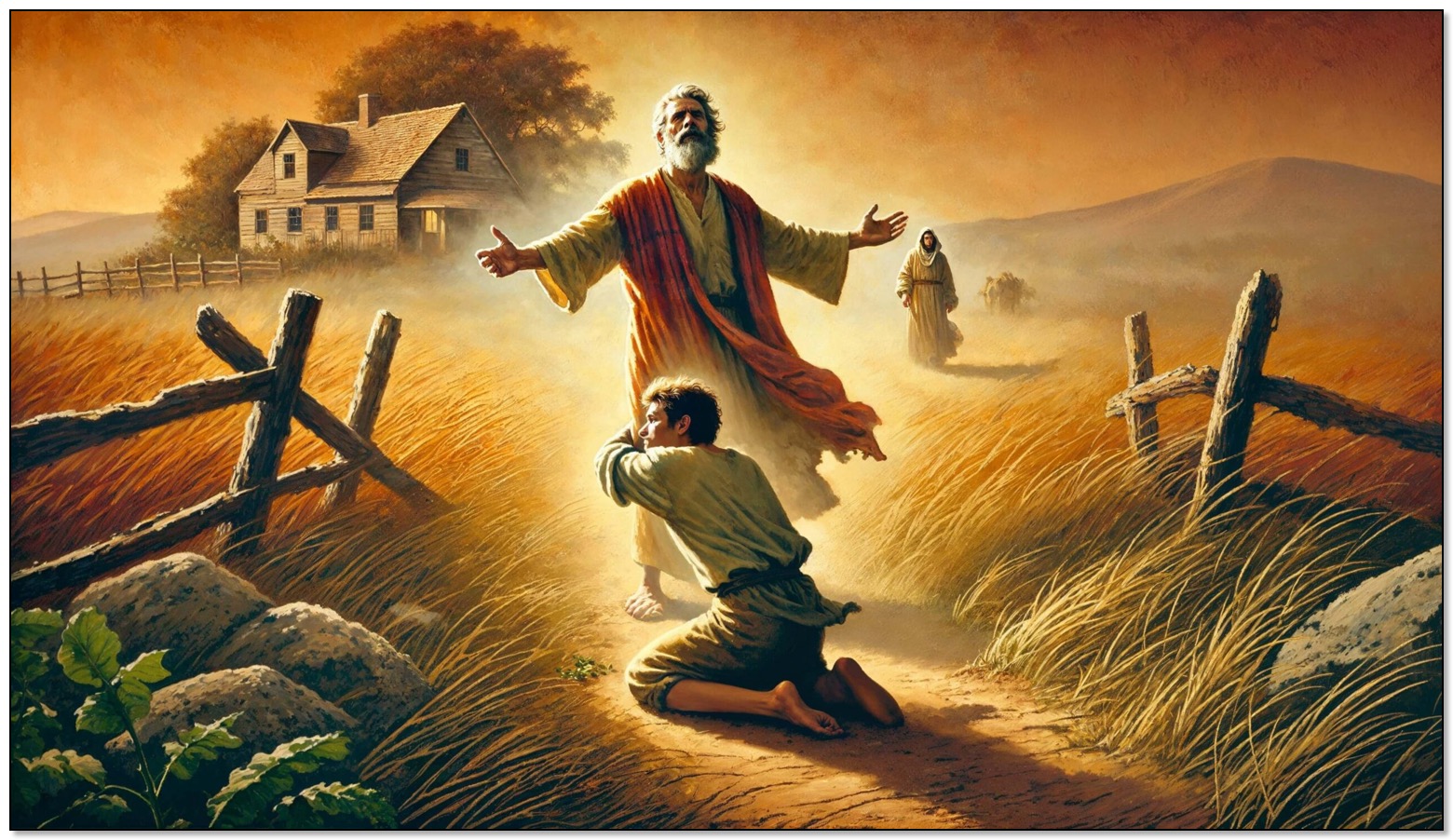
The First Three Steps
Step 1. We admitted we were powerless over our addictions and that our lives had become unmanageable (verses 14 - 17)
Step 2. Came to believe that a Power greater than ourselves could restore us to sanity (verses 17 - 19)
Step 3. Made a decision to turn our will and our lives over to the care of God as we understood Him (verse 20)
Steps 1, 2 and 3 are illustrated with the story of the Prodigal Son. He admitted he was powerless and could not take care of himself. Luckily, he did realize that there was someone who could help him. There was someone who had the means and ability to feed him. There was hope. Then, he decided he would conform himself to that persons way of life and go to him. What a wonderful plan. It worked.
A Grocery Store Parable
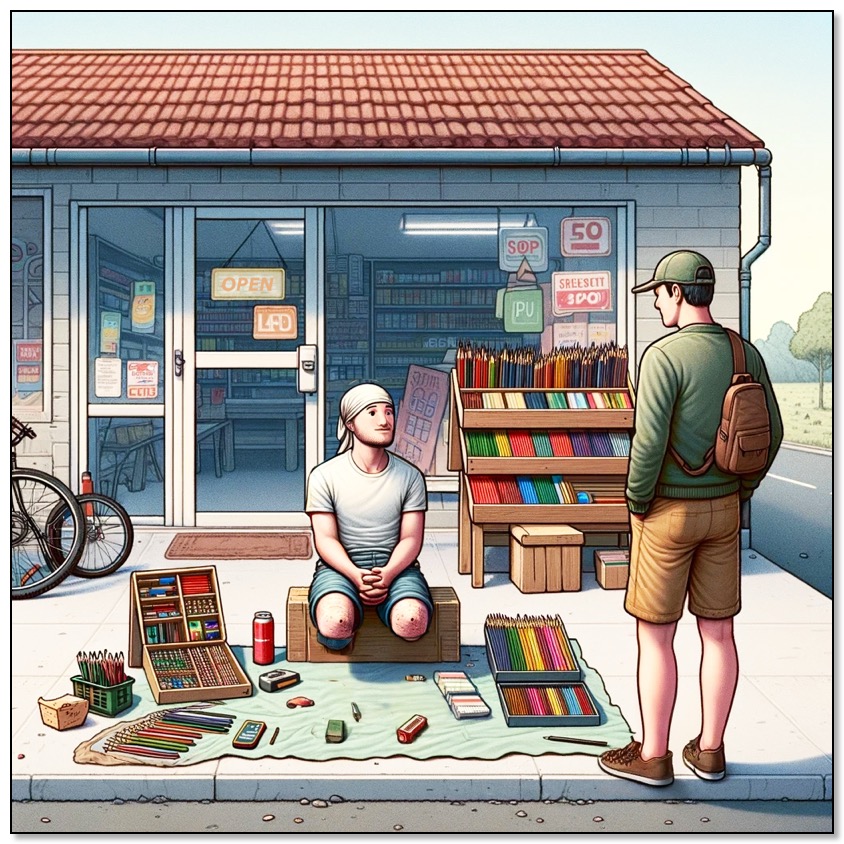
When I was about 25 years old, I drove up to the grocery store in my neighborhood. It was an old type of grocery store, much smaller than a modern supermarket, but it had character, and it was close. As I was going in, there was a young man sitting in the shade on the sidewalk near the entrance. He had no legs. He had placed in front of him a few things he was trying to sell, and he asked me, “Sir, would you like to buy a pencil”?
In that split second, before I responded with an automatic "no," I realized that I knew this man. About fifteen years earlier, when my Sunday School class went on a field trip, this boy had shown up on the bus. I guess he was someone's nephew or friend. I didn’t talk to him that day either. It’s not often that you cross paths with someone with no legs, he looked the same as the kid on the bus, but his lack of legs was a dead giveaway. This young man, was roughly my own age. I went on in the store, made my purchase, and quickly escaped back to my car.
Here’s my point: Had I not been so afraid, had I stopped for two seconds and gave some consideration to someone besides myself, I could have made a difference. I can’t say for sure, but most certainly a 25 year-old legless man has had a rough life. He was selling pencils on the sidewalk. Meanwhile, here I was, able-bodied, married with kids, a home, a job, a car, and enough to afford a grocery run. The perceived contrast was stark.
What I should have done was stop, and kneel down to eye level and say “What all have you got there?” I could have bought a couple of pencils and a notepad, or whatever he had. I could have brought him a Dr. Pepper on my way out. I could have asked him his name.
If only I'd known in advance, I could have composed myself and made a difference in someone's life, even if just for a few minutes. In the grand scheme of things, it would have made a difference in my life too. If only I had known. Or maybe I would have parked on the other side of the store and entered from there. I don't know.
Compare this with a similar situation ten years later. I’m going into a different grocery store with my 10-year old son (who has his own challenges) and standing by the entrance is a kid about his age. My son stops, and sticks out his hand and introduces himself. I’m so proud of him and so ashamed of myself.
Carrying these memories with me in my old age, I'm determined to be more courageous, set aside my fears and make a difference. I'm giving myself some advanced warning right now. Opportunities will arise, and I want to be ready. I don't know how, where, or when, but I'm deciding in advance to be a difference-maker.
A Letter From Us to Your Wife
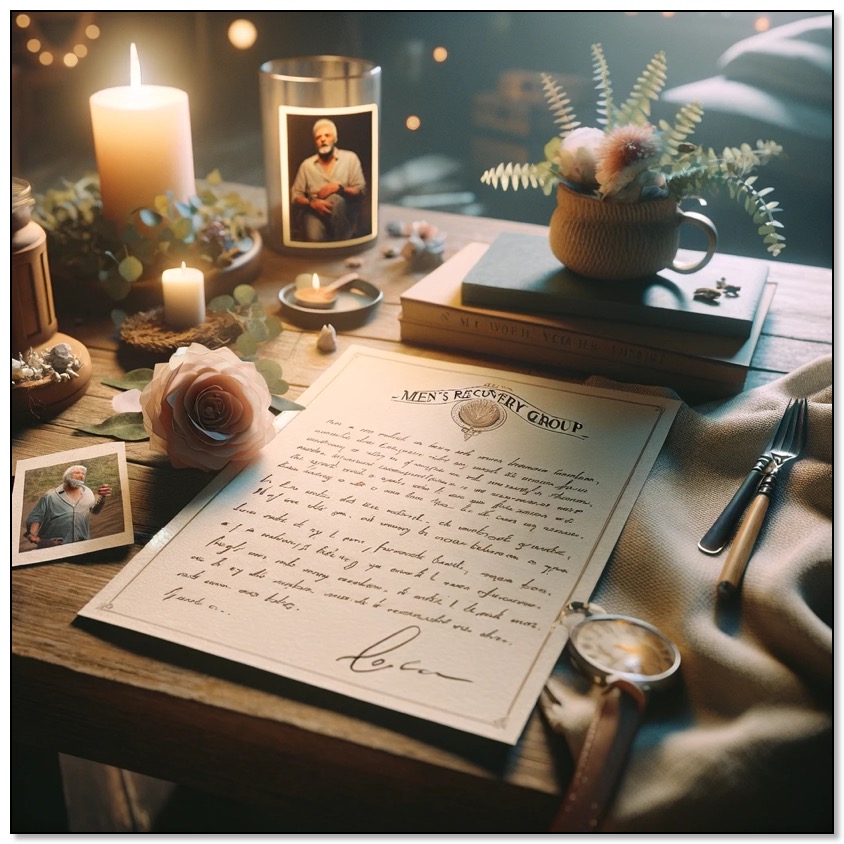
Dear Mrs. X,
I hope this note finds you well. You might sometimes wonder what exactly your husband is up to on Tuesday evenings. I'm writing to share a bit about where he is and what he's doing. He's in a safe place, surrounded by good people who genuinely care about him—perhaps even more than he realizes himself. We're a group who sees value in each other's lives, inspired by the spirit of support found in Philippians 2:3. We're all rooting for him, celebrating his progress and feeling for him when he's down on himself.
Your husband has shown remarkable honesty with us, the kind that only comes when someone feels truly accepted and secure. Our discussions dive deep into meaningful topics, and he's right there with us, sharing openly and trusting the group. He occasionally reaches out to check in or to share a struggle, reinforcing the importance of mutual support and the healing power of confession. I hope you feel a sense of pride in his journey.
He's demonstrated a strong character, openly discussing his challenges and showing a sincere commitment to improvement. He's sought out positive influences and wise advice, and we're all committed to supporting him in any way we can.
As a son of God, he's working on deepening his faith and reliance, learning to balance effort with trust in divine support. His attempts to live up to expectations, sometimes trying too hard, are a testament to his desire to grow and improve.
In speaking of you, his respect and love are evident. He speaks highly of you, grateful for your grace and support. It's clear he values you immensely, and any disrespect is unimaginable in our gatherings. He aspires to be the husband you deserve, Faithful and True and better than any country song you hear on the radio.
I consider your husband a dear friend, brought into my life for a purpose. My affection and prayers extend to him, as well as to you and your family, especially during times of need. His commitment to bettering himself for you and your family is admirable and not something every man is willing to undertake.
Thank you for supporting him in his journey with us. It's evident how much he cherishes you. Please continue to stand by him. He’s a kind soul who greatly appreciates your partnership. Rest assured, his Tuesday night friends hold him in the highest regard.
Warm regards,
A Tuesday Evening Friend
Philippians 2:3 "Do nothing out of selfish ambition or vain conceit. Rather, in humility value others above yourselves,"
Just a Little Longer

A Riddle
_I am gross and perverted_
_I’m obsessed and deranged_
_I have existed for years_
_But very little has changed_
_I am a tool of the government_
_And industry too_
_For I am destined to rule_
_And regulate you_
_I may be vile and pernicious_
_But you can’t look away_
_I make you think I’m delicious_
_With the stuff that I say_
_I’m the best you can get_
_Have you guessed me yet?_
_I’m the slime oozing out_
_From your
 I'm The Slime from the 1973 album Over-Nite Sensation by Frank Zappa and The Mothers.
The Slime
by CD
Once upon a modern dreariness, nestled between the flickering shadows of yesterday and the blinding lights of the future, television transformed. That magical box that united families, kindled imaginations, brought stories from all over the world, and invited us to laugh, think and wonder together had morphed, – a chameleon darkened by the passage of five short decades.
In the beginning, its glow was a beacon, drawing in weary souls seeking solace, laughter, and dreams. It was a communal hearth where stories danced like flames, enlightening minds and warming hearts. But as the years rolled by, the vibrant hues of creativity and unity faded into a monochromatic haze.
What used to be a source of joy and unity turned into something ugly. The era of enlightenment decayed into the age of excess. Television, once the dreamweaver, became the dreamstealer. It transformed oh so gradually into a siren, luring viewers with the promise of escapism, only to slime us as portrayed by Frank Zappa and The Mothers.
The screen, once a window to worlds unseen and voices unheard, became a mirror, reflecting and magnifying society's most poisonous underbelly. It reveled in the sordid dance of reality unbound by ethics and we ate it up, slowly turning us into zombies by the process of osmosis.
God has been forgotten and replaced with “I am God. I can solve all of my own problems.” Television nudged that agenda along. Truth was its first casualty followed by the sacrifice of human dignity. Gone were the days of gentle lessons and heartfelt connections. In their stead rose a buffet of chaos, confusion, and shock value. Sensationalism sat enthroned, crowned by apathy.
As the clock ticks toward another uncertain dawn, the television– coupled with the exponential wickedness of the internet, stands, a monument to what was and a warning of what is. It is the Pandora's box of a new era, unleashing untold ills under the guise of enlightenment as we are bombarded with reality shows that make us cringe and news that paralyzes us with anxiety. Walter Cronkite must be rolling over in his grave.
Yet hope—dim and distant—remains. For in the hands of the conscious, the remote wields the power to switch off, to awaken from the trance, and to remember the stories worth telling, those that unite rather than divide, illuminate rather than obscure, heal rather than harm.
Acceptance
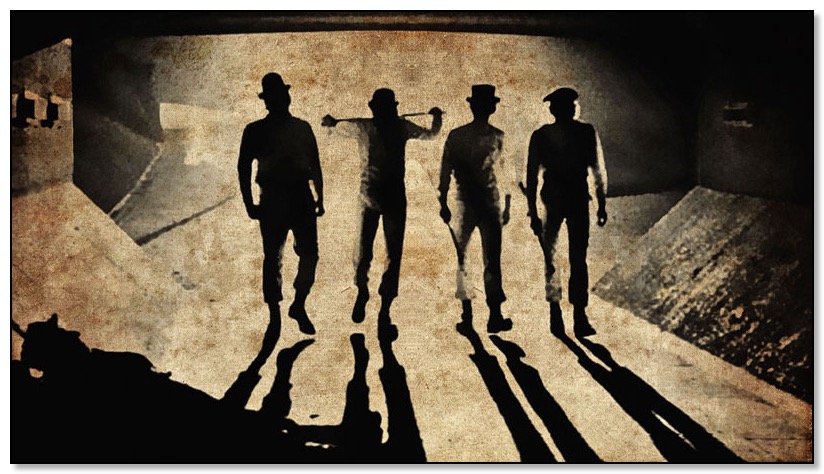 "One of the great tragedies of life is when a beautiful theory is murdered by an ugly gang of facts"
Freedom's Just Another Word

George Hanson: They’re not scared of you. They’re scared of what you represent to ’em.
Billy: Hey, man. All we represent to them, man, is somebody who needs a haircut.
George Hanson: Oh, no. What you represent to them is freedom.
Billy: What the hell is wrong with freedom? That’s what it’s all about.
George Hanson: Oh, yeah, that’s right. That’s what’s it’s all about, all right. But talkin’ about it and bein’ it, that’s two different things. I mean, it’s real hard to be free when you are bought and sold in the marketplace. Of course, don’t ever tell anybody that they’re not free, ’cause then they’re gonna get real busy killin’ and maimin’ to prove to you that they are. Oh, yeah, they’re gonna talk to you, and talk to you, and talk to you about individual freedom. But they see a free individual, it’s gonna scare ’em.
God is in the Details
A Prayer For My Brothers
I pray for families who have been hurt, O Lord please heal those wounds and I thank you in advance that the pain would be eased and the godly relationships that you desire would be put together again better and stronger than ever before. Father God I ache for these precious people whose world has crashed down upon them through no fault of their own and weep with them but know that You are still the King and are still in control, all hope rests in You and your compassion. You can heal, and I plead with you to intercede and heal these deep scars and broken hearts.
Father, if trust could ever be restored, it is because You have interceded. If You choose to save marriages, praise your holy name, if you put us through a season of suffering, we trust you and Your will be done.
I pray for myself that I will have a heart of compassion and consider my brothers sufferings more important than my own temporary inconveniences. As I have seen you work a miracle in my own life, turning a sinner into a servant, please put it on my heart to have a real concern and check on my dear friend and be a friend who cares and loves.
Heal my brother, O Lord. Heal his body and his mind, heal his heart and may his desire shift from things of the world to being controlled by the Spirit. May this walk we are experiencing teach us what you want us to know and glorify the name of God. The victory is Yours!
In Christ name I pray, Amen.
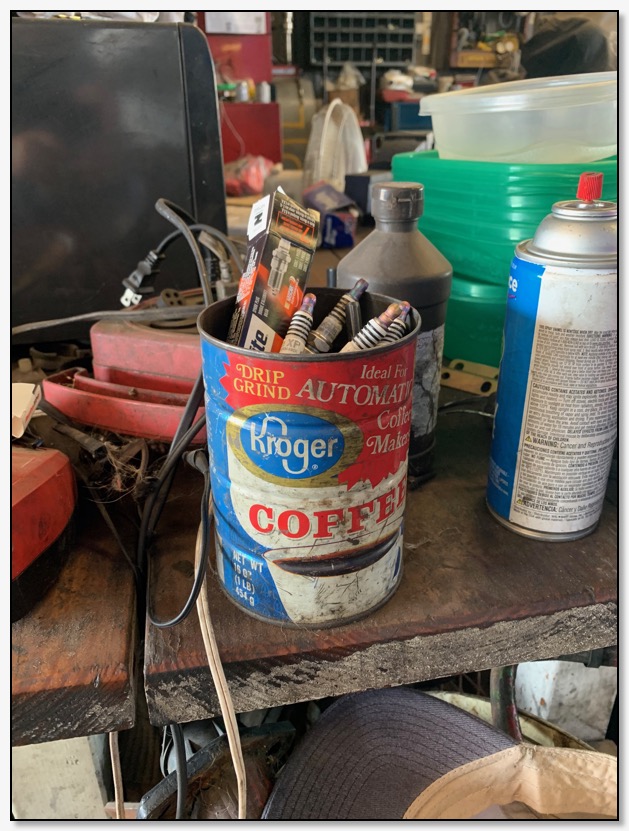
Spark Plugs
Conversation Between A Father And Son
Son (head back, rolling eyes): Yesss
End of conversation
John 9:1-5
Perhaps God is allowing this very difficult time in our lives to happen, to show his works. I'm going to try and see every bit of God's works in the coming days and thank him for it. He gets all the credit for even the smallest encouragement or gift and will certainly receive the glory and honor when the mountain is moved.